Services / Quality Assurance

Quality isn’t a phase.It shapes how we build.

Digital Avenues embeds quality throughout the engineering lifecycle, so every product is reliable, secure, and production-ready before it reaches a user.

Why Quality Fails Everywhere Else

Quality problems are built early, not caught late.

Testing at the end of a sprint doesn’t catch bad decisions — it just delays the moment you find out about them. Real reliability is a property of how a system is designed, not a pass you run before a release. A test suite bolted on after the fact tests what the code happens to do, not what it’s supposed to do.

So we treat quality as an engineering discipline with its own architecture: defined upfront, automated where automation adds confidence, and owned by people wherever judgment is what’s actually being tested.

  • Quality is designed, not inspected

    Expected behavior is defined before implementation, so “correct” is a fact you can test for — not an opinion formed after the fact.

  • Automation carries the repetition

    Regression, performance, and accessibility checks run continuously, freeing people for the judgment machines can’t make.

  • Humans own exploratory & edge cases

    The failures a script won’t think to try are exactly where our engineers spend their attention.

  • Accessibility is first-class

    WCAG compliance is validated as part of the pipeline, not audited in as an afterthought.

  • Release readiness is a decision

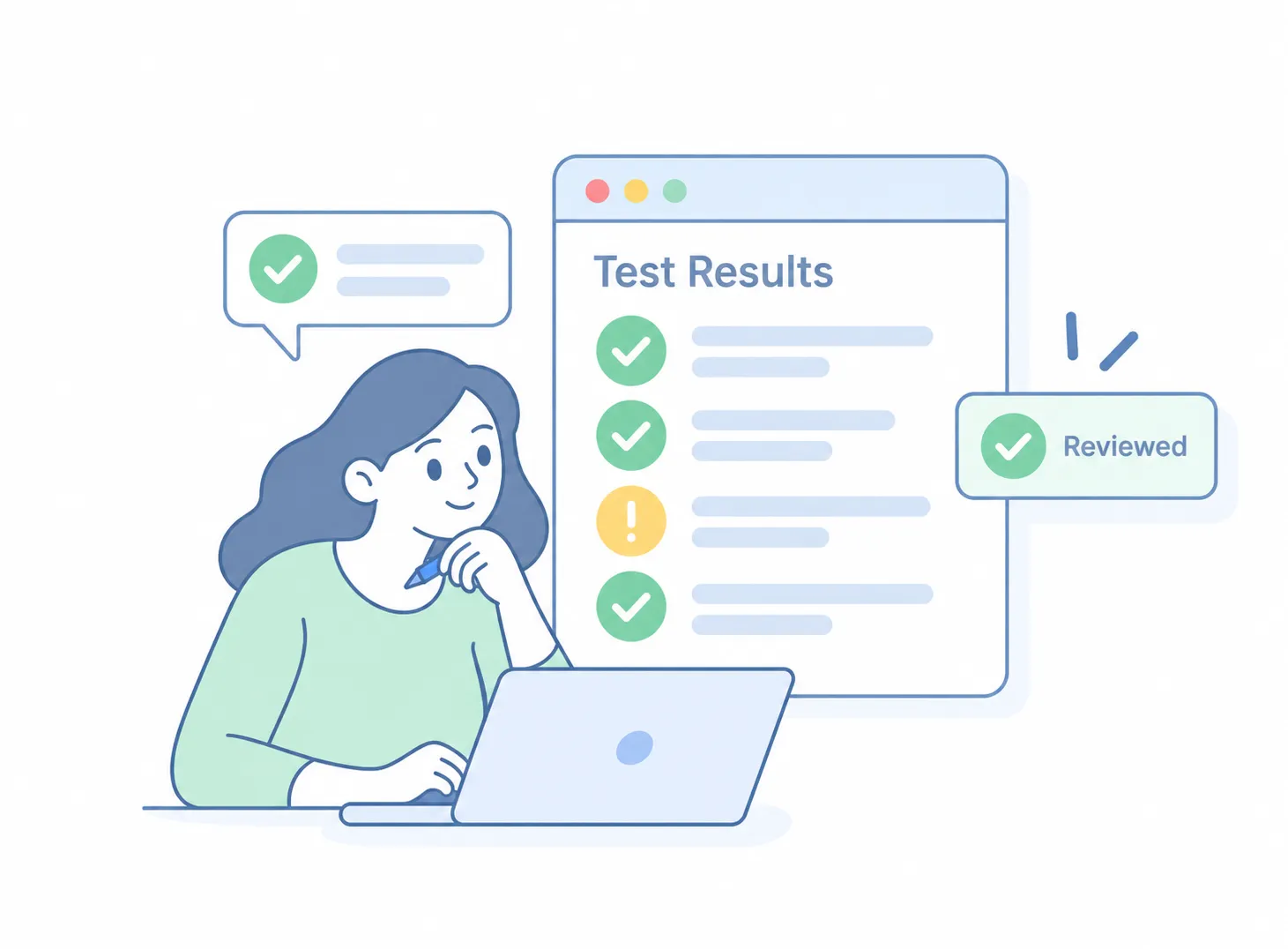
    A person signs off knowing what was tested, what wasn’t, and why that’s the right call.

The Continuous Quality Framework

Three stages that turn “should work” into proven to work.

Quality isn’t a gate at the end of our process — it’s threaded through all of it. Here’s what happens between a requirement and a release you can trust.

  1. Define BehaviorCLARITY FIRST
  2. AI-Accelerated TestsCOVERAGE AT SCALE
  3. Human-Led ValidationJUDGMENT APPLIED
Requirements and acceptance criteria whiteboarding during the define-behavior stage

STAGE 01

Define Expected Behavior

Before a test is written, we define what correct means — the specification our engineering partners already produce becomes the QA team’s source of truth. Ambiguity about “what should happen” is resolved once, in writing, not re-litigated bug by bug.

  • Specification
  • Acceptance criteria
  • Test scenarios
  • Coverage plan

STAGE 02

AI-Accelerated Test Generation

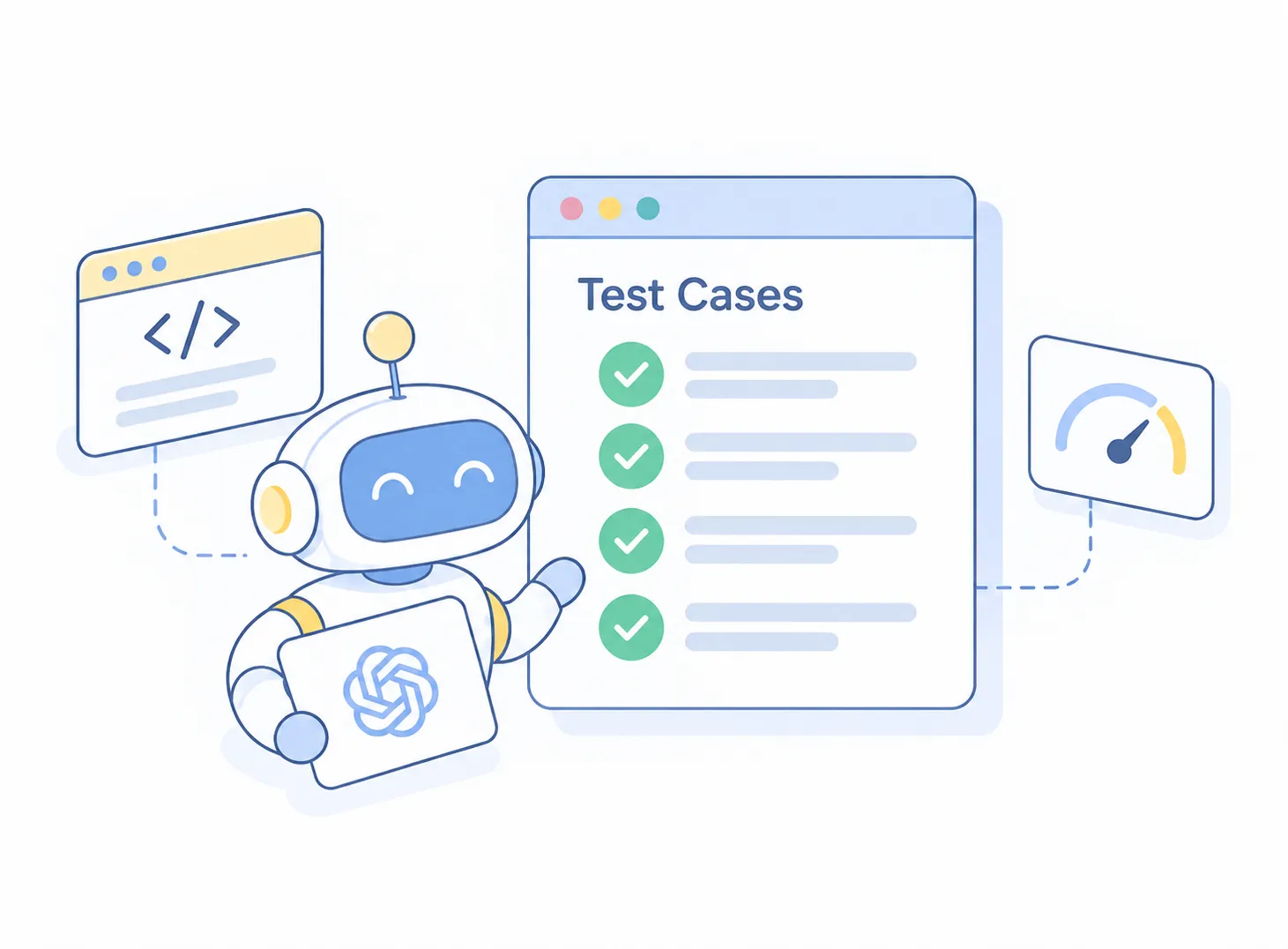
AI drafts the mechanical layer fast — unit tests, regression suites, accessibility scans, performance baselines — including the edge cases people reliably forget under deadline. Our engineers review, harden, and extend that suite before it becomes the standard a release is measured against.

  • Higher coverage, faster

    AI drafts the volume, people supply the judgment.

  • Consistency

    The same rigor applies whether the sprint was calm or chaotic.

  • A living suite

    Tests grow with the system instead of drifting out of date.

  • Fewer blind spots

    AI surfaces edge cases teams often miss.

An engineer reviewing an AI-drafted test suite during the test-generation stage
A tester exploring an application on real devices during human-led validation

STAGE 03

Human-Led Validation

Automation proves the system behaves as specified. It can’t tell you whether the specification itself missed something. That’s exploratory testing, edge-case hunting, and real user-experience validation — the parts of QA that stay stubbornly human.

  • Exploratory testing against real usage patterns
  • Edge-case and boundary validation
  • Accessibility validation by a person who uses assistive tech
  • User-experience testing under real-world conditions

THE APPROACH

Define what’s correct. Encode it at scale. Challenge what automation can’t see – so every release is backed by evidence.

What We Validate

Every Layer Tested. Every Detail Covered.

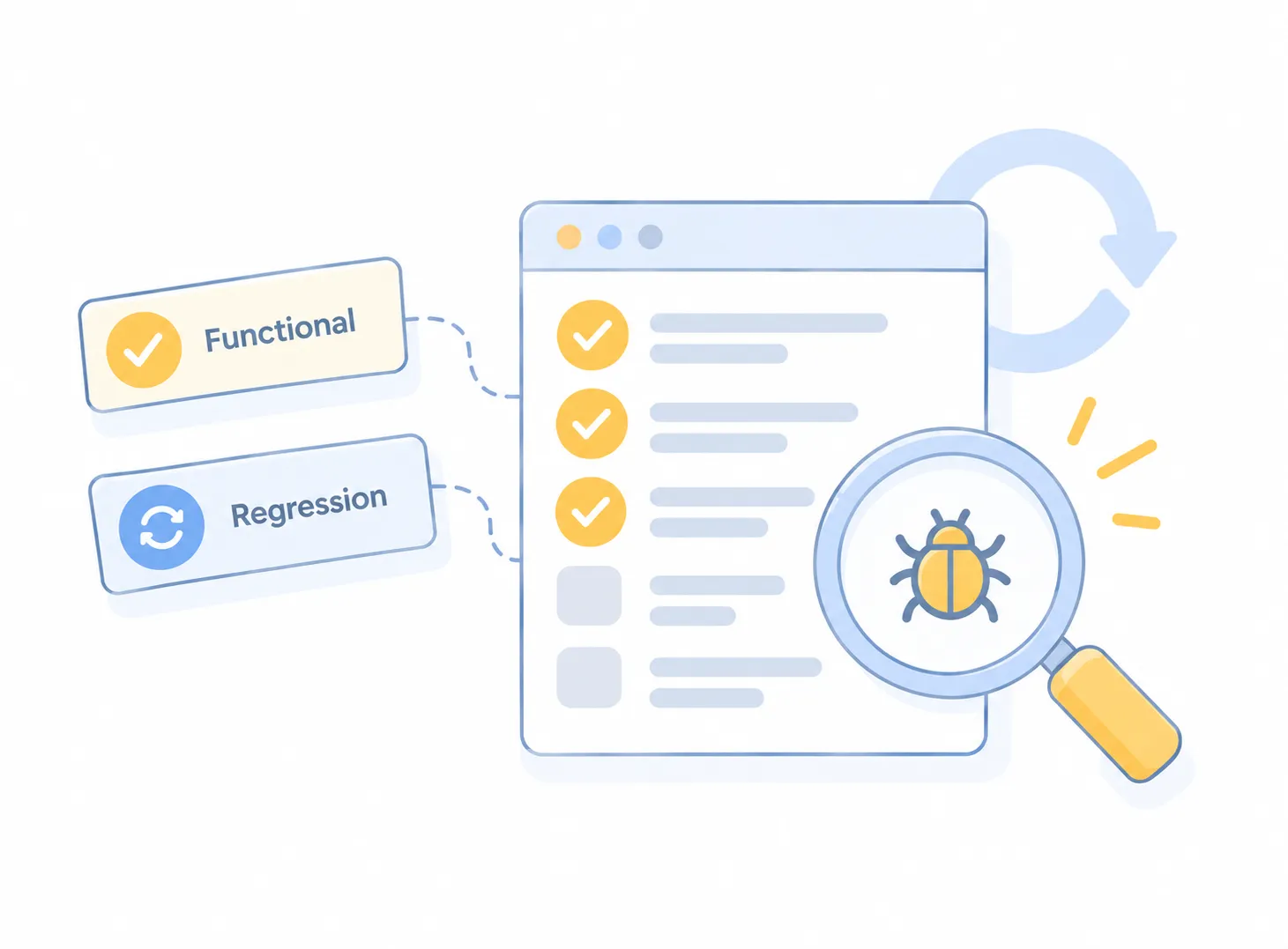
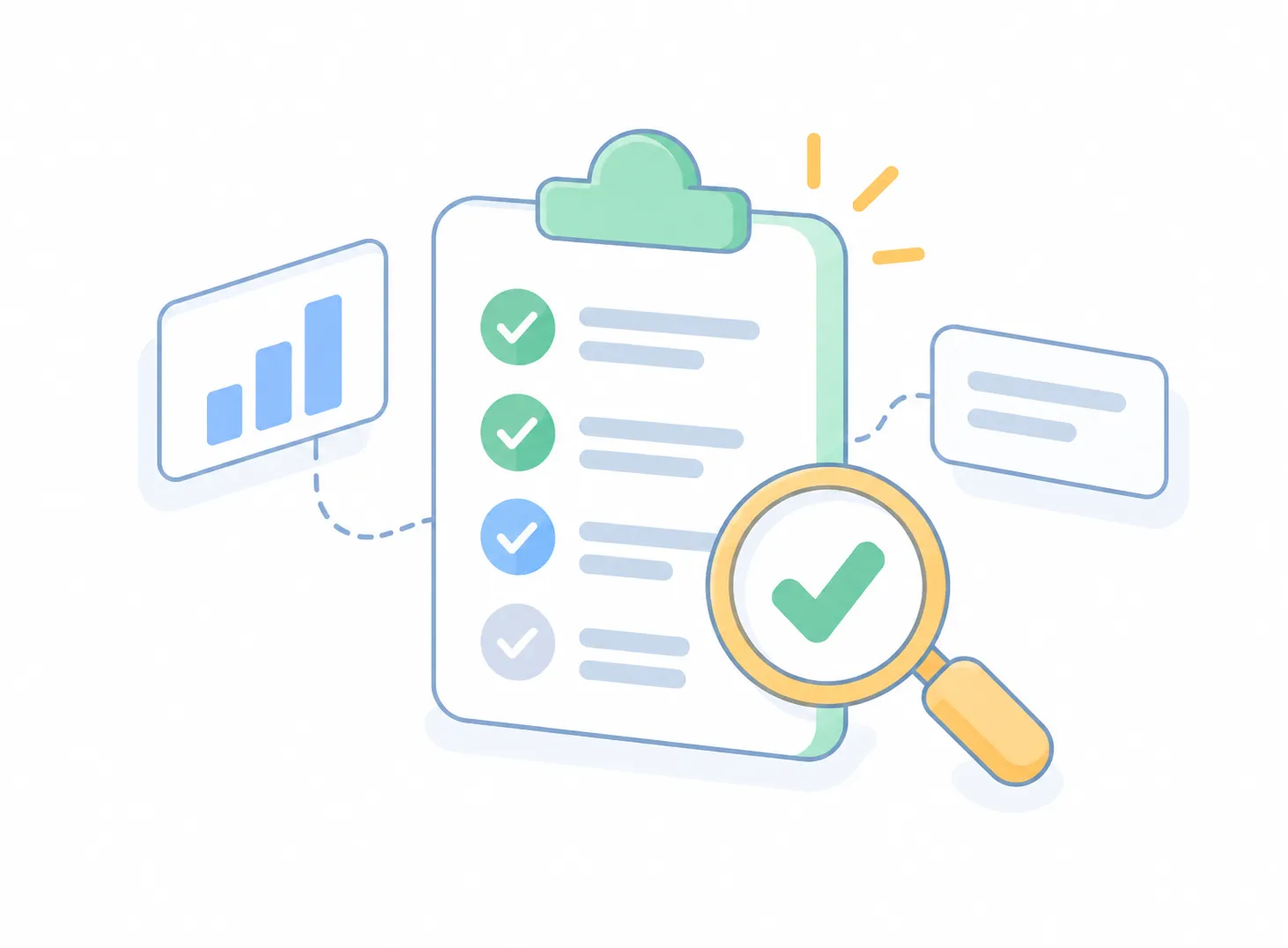
  • An automated regression test suite report

    Functional & Regression

    Confirming the system does what it’s specified to do, release after release, without old behavior quietly breaking. Covers new features, edge cases, and the regression suite that catches what a code change touched but didn’t intend to.

    • Test Automation
    • Regression Testing
    • AI-Assisted Testing
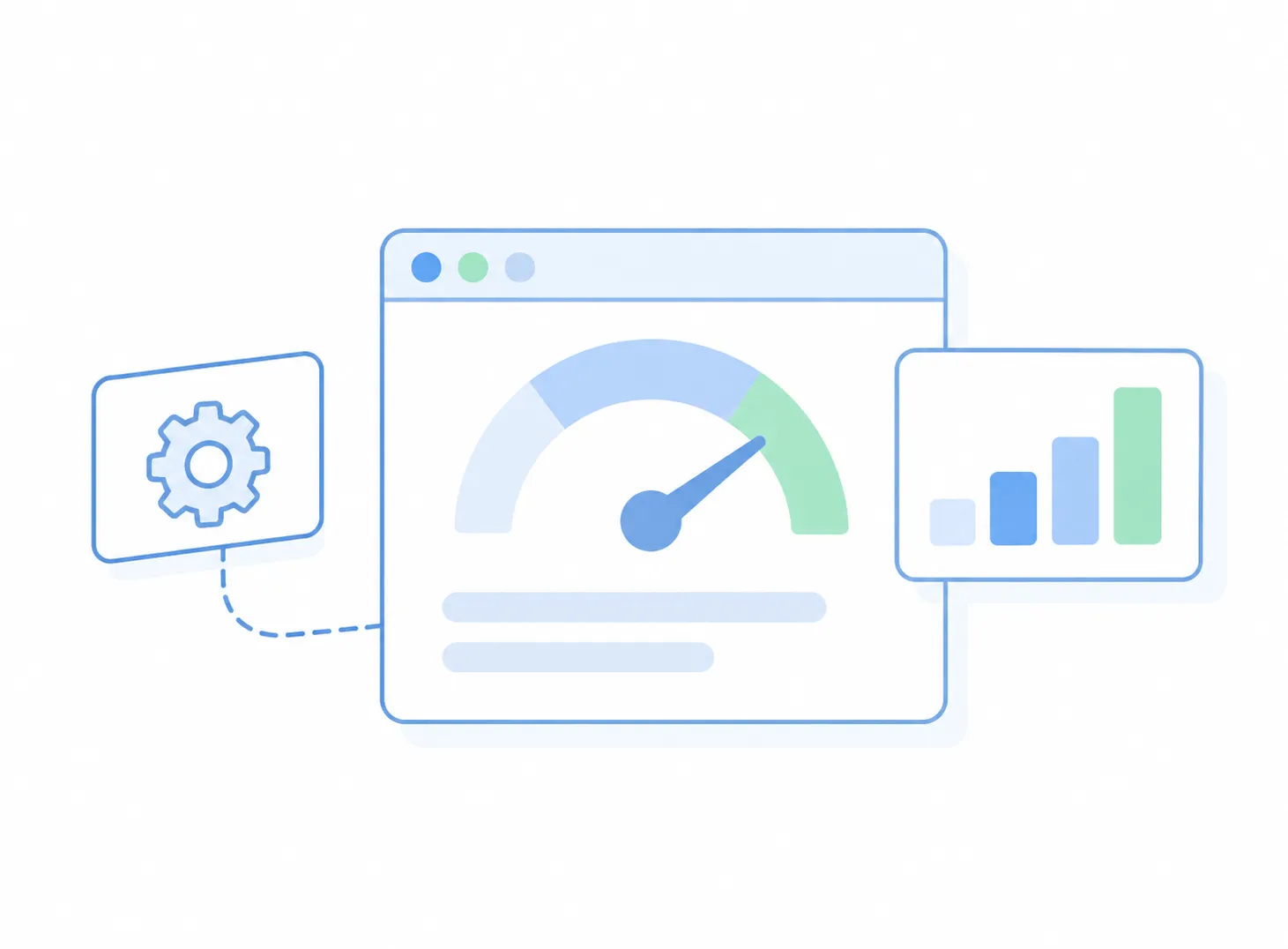
  • A load and performance testing dashboard with metrics graphs

    Performance

    Proving the system holds up under real load, not just clean-room conditions. Measures response times, throughput, and failure points under traffic spikes, sustained load, and the conditions production actually creates.

    • Performance Testing
    • Continuous Quality Engineering
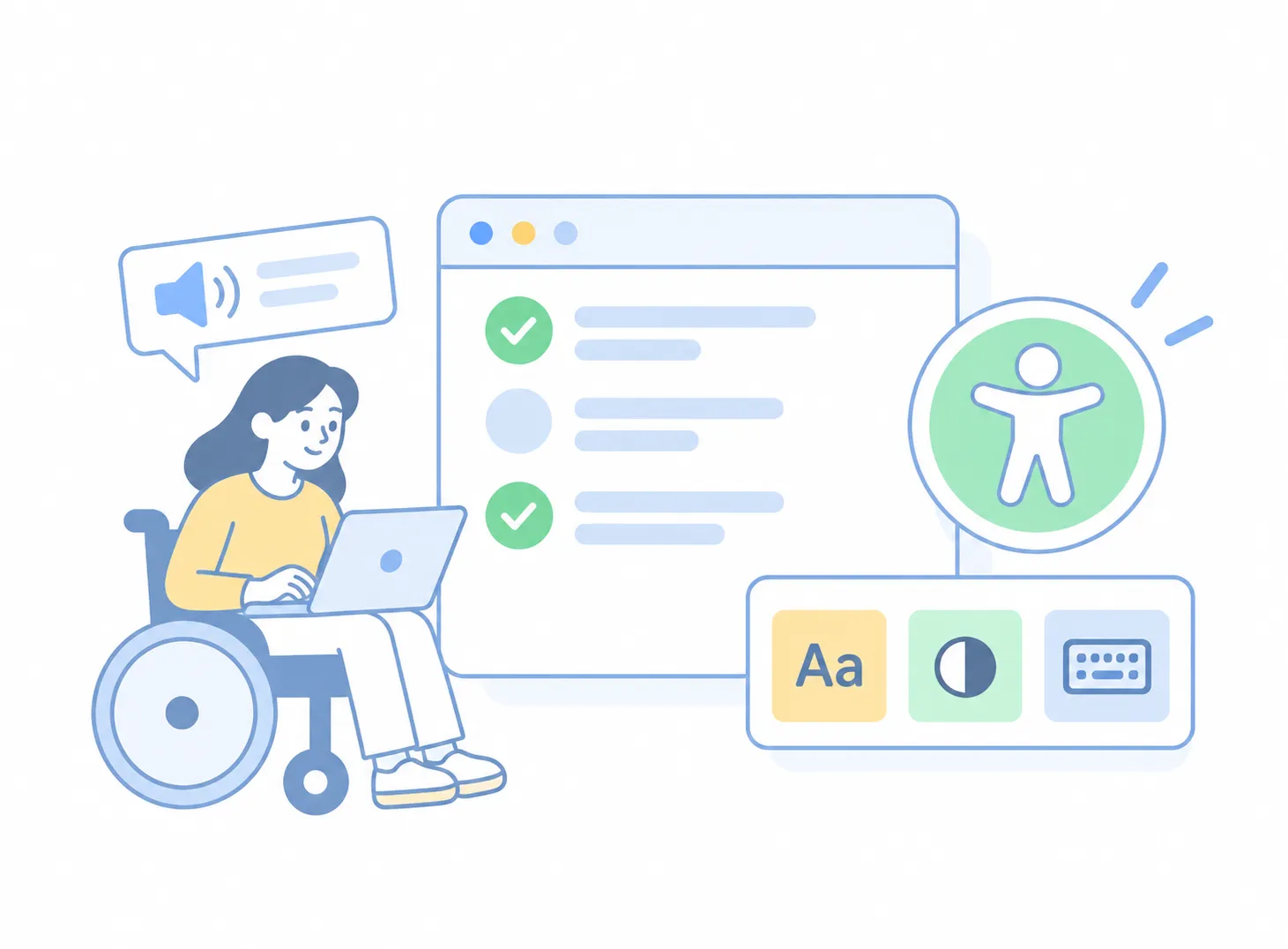
  • An accessibility audit with a screen reader in use

    Accessibility

    Building for every user, validated against the standard that matters. Checks keyboard navigation, screen reader compatibility, and color contrast against WCAG 2.1 AA, with manual review where automated scans fall short.

    • Accessibility Testing (WCAG)
The Testing Stack

The right test tool is a decision about risk.

We choose tooling for what a product needs to prove — speed of feedback, breadth of coverage, or fidelity to real user conditions — not for what’s trending.

  • END-TO-END & BROWSER

  • MOBILE TESTING

  • ACCESSIBILITY

  • API TESTING

  • FUNCTIONAL TESTING

  • PERFORMANCE TESTING

Featured Work

Fewer defects. Faster releases. Proof, not promises.

Same three questions each time: what was hard, what we engineered, what changed for the business.

Kronos enterprise research operations platform

Enterprise Market Research Operations Platform

Kronos for Beesy

Replacing fragmented workflows with quality that could scale.

The challenge

Kronos had to replace spreadsheets, emails and disconnected tools with a centralized enterprise platform managing the full lifecycle of hundreds of qualitative research studies. That meant quality couldn’t be treated as a final validation step — the platform had to support complex workflows, integrations, scheduling, analytics and multiple environments reliably.

The engineering

Digital Avenues embedded test automation into the delivery pipeline, with automated Jenkins pipelines operating independently across development, QA, UAT and production environments. The platform’s modular architecture and isolated third-party integrations also reduced the risk of tightly coupled changes affecting unrelated workflows.

The outcome

4 delivery environments

Dev → QA → UAT → Production, with automated pipelines supporting controlled promotion.

Automated testing

Testing was part of DA’s end-to-end contribution rather than a final-stage activity.

One operational platform

Previously fragmented workflows were consolidated into one system supporting research operations end-to-end.

View case study
Engagement Models

Fit the engagement to how quality gets adopted.

  • QA Staff
    Augmentation

    Senior QA engineers embed in your existing team and pipeline, raising rigor from inside without disrupting velocity.

  • Managed Quality Engagements

    We own quality outcomes end to end for a release or product line — coverage, automation, and the release-readiness call.

  • Dedicated QA
    Teams

    A persistent QA team embedded long-term, compounding its knowledge of your product’s failure modes release after release.

Ship the version you’re sure about.

If your release process runs on hope more than evidence, that’s the conversation we’re built for.