Services / Software Engineering

Software that outlivesits assumptions.

Digital Avenues is an AI-native software engineering company. For twenty-five years we’ve built systems that survive scale and the roadmaps nobody saw coming.

Why Choose Digital Avenues

Longevity isn’t the achievement. It’s the evidence.

Twenty-five years in software taught us that building a system is only the beginning. The real cost is living with it. Software rarely fails all at once. It ships, works, and slowly calcifies as important decisions become implicit and the context behind them disappears.

We make those decisions explicit, early, and durable. AI can accelerate engineering. It cannot replace engineering judgment. Every decision has accountability behind it. Because faster mistakes are still mistakes.

  • Architecture before code

    We resolve the expensive decisions — data models, boundaries, failure modes — before anyone opens an editor. Cheap to change on a whiteboard, ruinous to change in production.

  • A name on every decision

    AI accelerates the work; a specific engineer owns the outcome. Judgment is never outsourced to a model, and never anonymous.

  • Correctness is designed in

    Expected behaviour is defined as tests before implementation begins. Quality isn’t a phase at the end — it’s the specification we build toward.

  • Built to be inherited

    We write for the engineer who joins in three years and has never met us. Clarity is a deliverable, not a courtesy.

The AI-Native Engineering Framework

Three stages between an idea and software you can trust.

Most teams point AI at the end of the process — autocomplete, a review bot, a test generator bolted on. We built the method the other way around. AI shapes the work from the first conversation, but the sequence is deliberately human: understand, specify, prove, then build.

  1. SpecificationCLARITY FIRST
  2. Test-FirstCORRECTNESS DEFINED
  3. Continuous ValidationEARNED IN PRODUCTION
Engineers mapping requirements and architecture on a whiteboard during the specification stage

STAGE 01

Specification-Driven Engineering

Clarity is cheaper than code. We buy it first.

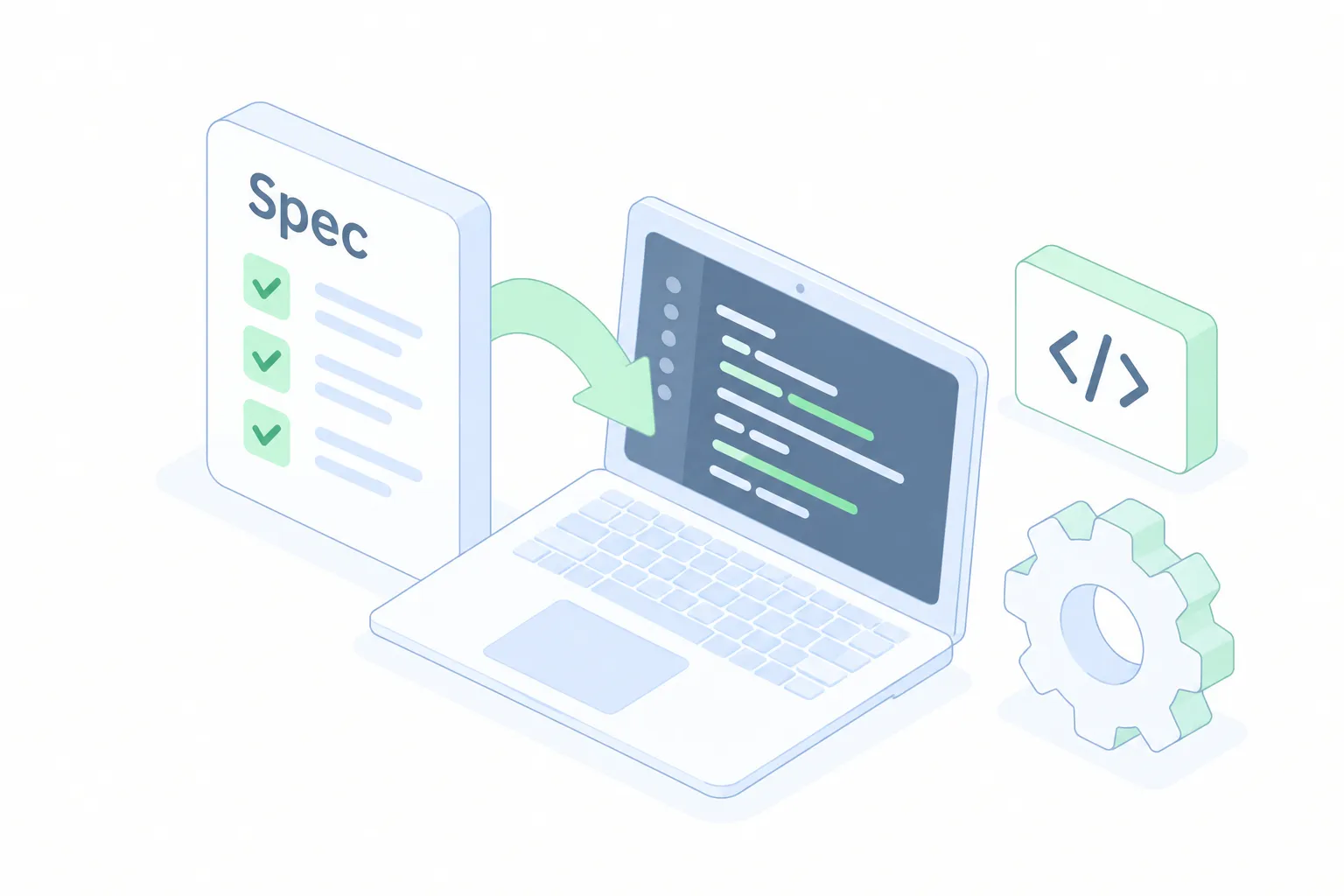
The most expensive words in software are “I assumed you meant…”. Before we implement anything, every requirement travels a deliberate path from intent to executable plan. We start with the business outcome you’re actually after — not the feature as first described — and work outward from there.

  • Business understanding
  • Specification
  • Architecture
  • Roadmap
  • Engineering tasks

STAGE 02

AI-Powered Test-First Engineering

We define what “correct” looks like before we build it.

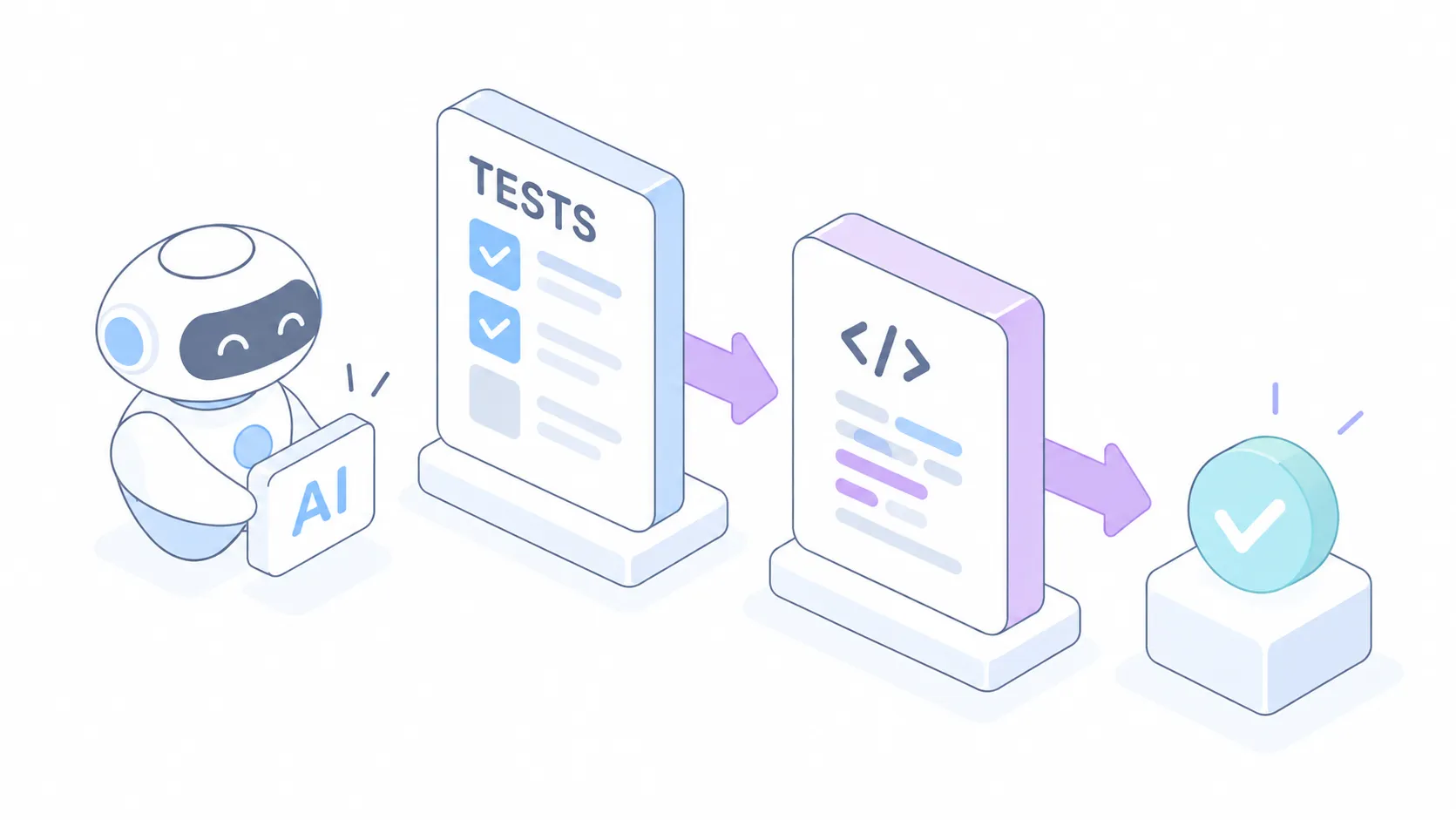
This isn’t test-driven development with a new coat of paint. In classic TDD a developer writes a failing test, then makes it pass — valuable, but slow, and only as complete as one person’s imagination under deadline. We invert the effort. Once a specification is set, AI drafts the test suite first — unit tests, component tests, and validation scenarios, including the edge cases people reliably forget at 5pm on a Friday. Engineers review and harden that suite, then build against a definition of correct that already exists.

  • Specification
  • AI-drafted tests
  • Engineer-reviewed suite
  • Implementation
An engineer reviewing an AI-drafted test suite on screen during the test-first stage
A production monitoring dashboard tracking system behaviour during continuous validation

STAGE 03

Continuous Validation & Delivery

The system earns its way to production — and keeps earning it.

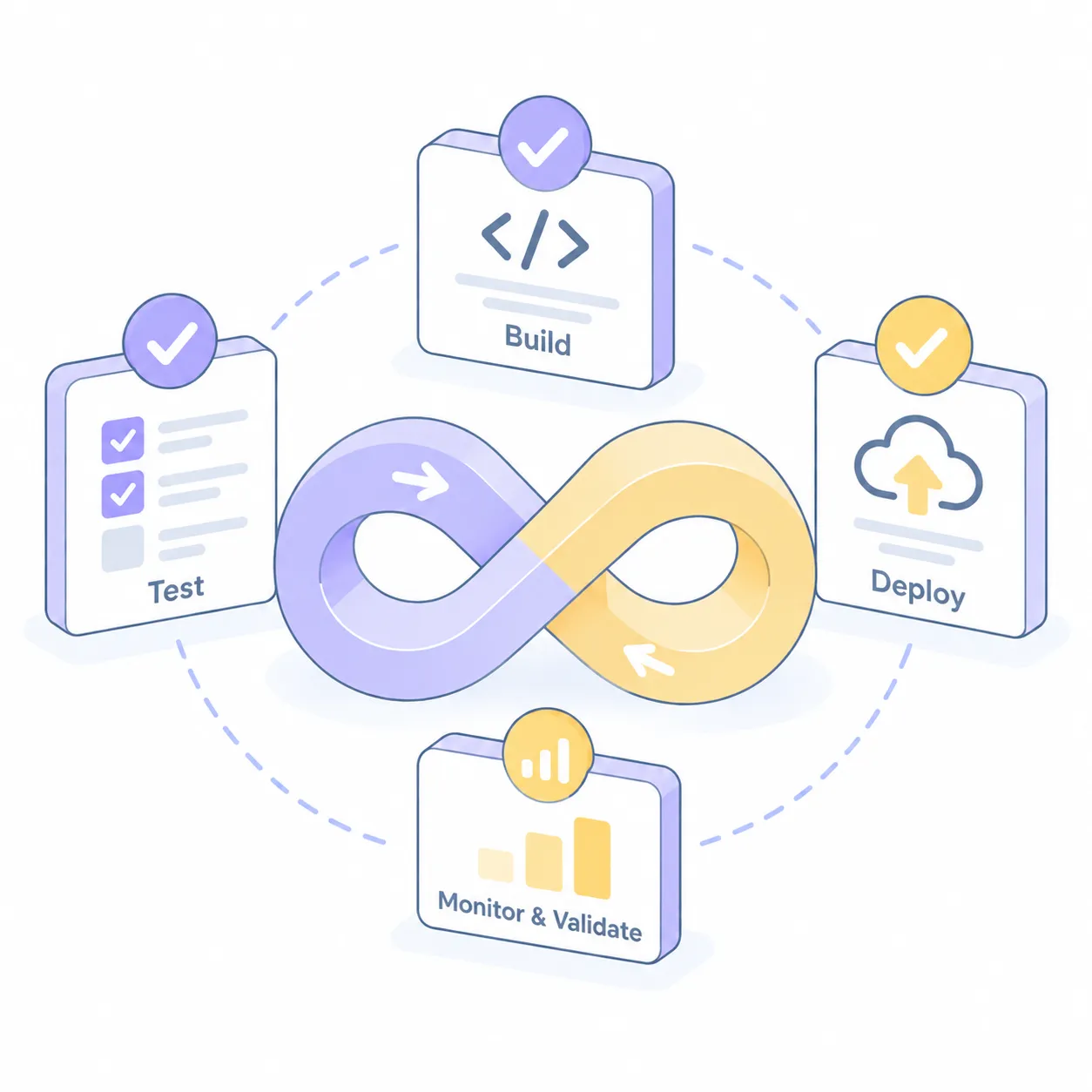
Shipping is not the finish line; it’s the moment the real obligation begins. Every change passes through human peer review — automation informs the decision, a person makes it. Automated quality gates enforce the non-negotiables: tests, coverage, security, performance. Deployment is repeatable and reversible, engineered so that releasing is boring and rolling back is instant. In production, monitoring watches behaviour against the expectations we set in Stage 01 — closing the loop back to the specification.

THE APPROACH

Defined correctly. Encoded into the process. Built toward it. Verified in the real world and continuously feeds what it learns back into Specification-Driven Engineering. The framework is a loop, not a line.

Product Engineering

From the first question to the tenth release.

The framework is how we engineer. Product engineering is how far we walk with you. A product is not a project with an end date — it’s a decision you keep making. We partner across the full arc, and each phase hands the next one something solid to stand on.

  1. Idea & Discovery

    We pressure-test the concept against business reality, then surface the users, constraints, risks, and definition of success before a roadmap exists — so we’re solving the right problem, not a well-specified wrong one.

  2. Architecture & Engineering

    The foundational decisions, made explicit and written down, then run through the framework: specification, test-first, AI-augmented build, continuous validation.

  3. QA

    Not a gate at the end — correctness is verified continuously, at every stage, against what we defined at the start, so issues surface while they’re still cheap to fix.

  4. Launch & Evolution

    A release engineered to be boring: repeatable, observable, reversible. Then, the phase most vendors treat as “maintenance,” we treat as the point — we stay to help the product become what it needs to be next.

Capabilities

What we build follows from how we build.

The method is the same across everything here. What changes is the shape of the problem. Four domains, one standard of engineering.

  • Team reviewing a customer-facing digital product interface

    Digital Products

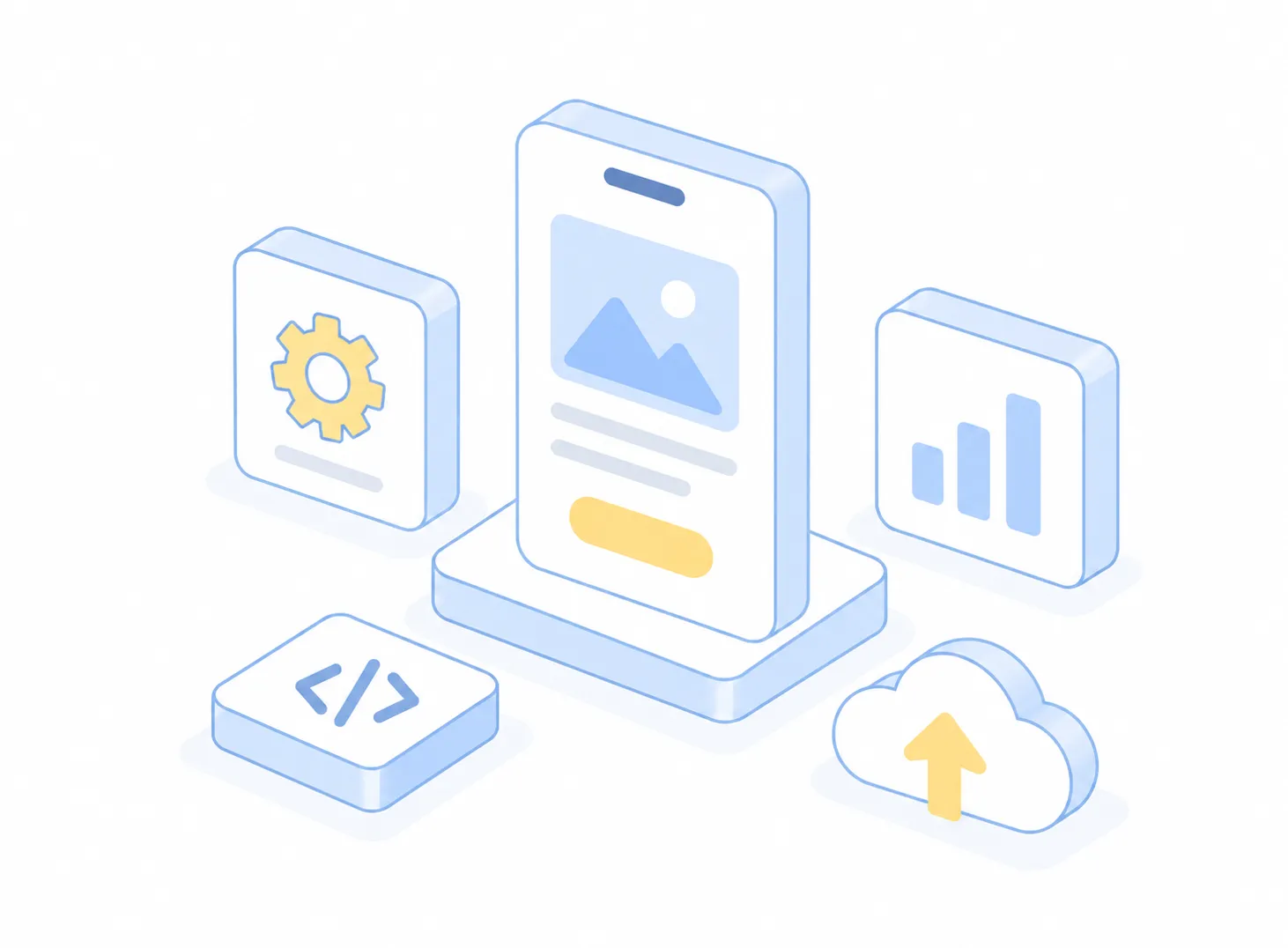
    Software people use every day — and therefore software that has nowhere to hide. Interfaces, performance, and reliability are all in plain sight, so the engineering underneath has to be exceptional and invisible at once.

    • Web Applications
    • Mobile Applications
    • E-Commerce
    • SaaS Platforms
    • Content Management Systems
  • Enterprise systems architecture being mapped across integrated business platforms

    Enterprise Engineering

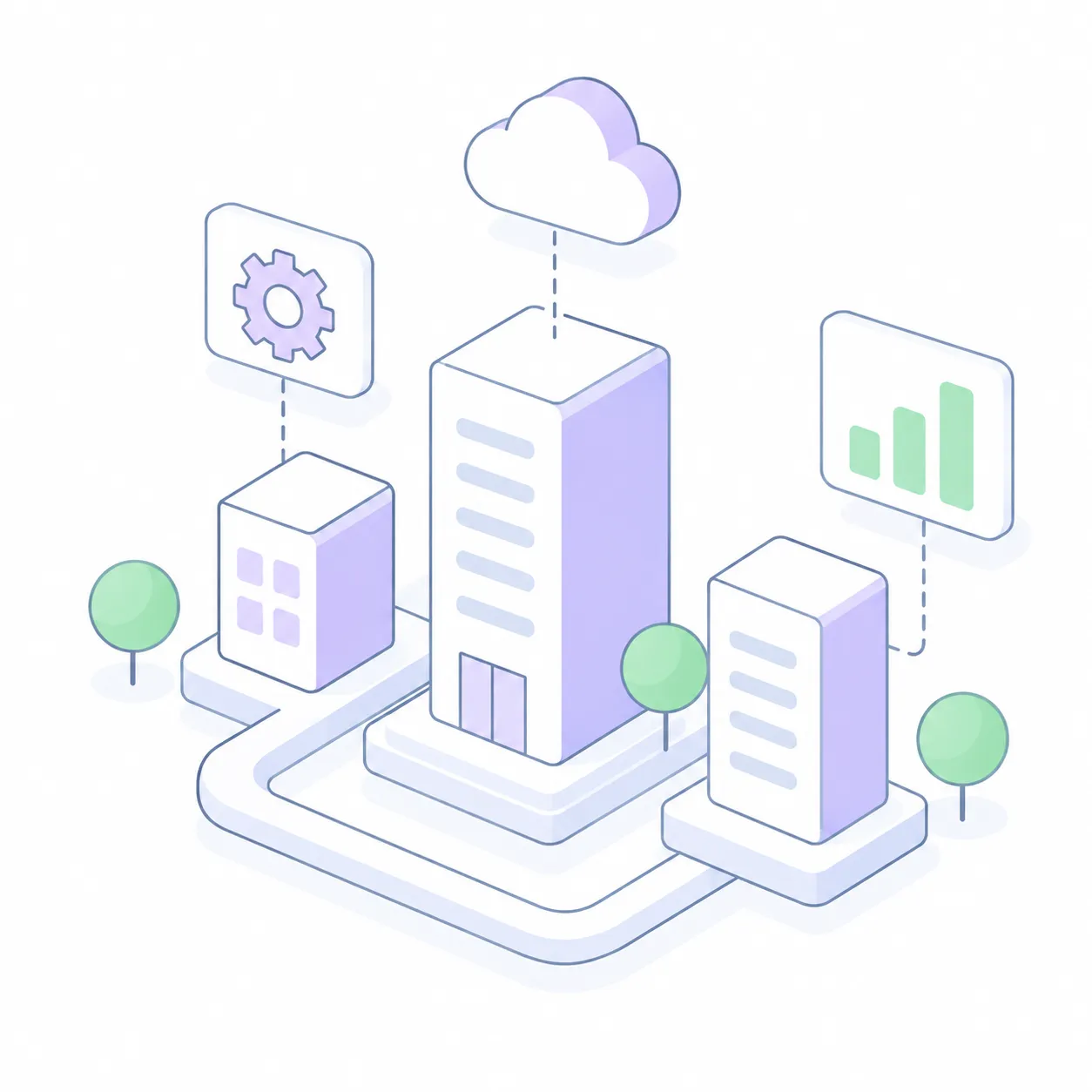
    The systems a business actually runs on — where the cost of being wrong is measured in operations, not app-store reviews. Complexity, integration, and legacy reality are the job, and clear thinking under that weight is the whole value.

    • Enterprise Applications
    • System Integration
    • Technology Audit
  • Data pipeline and analytics dashboard consolidating multiple sources

    Data Engineering

    Most organisations aren’t short on data — they’re short on data they can trust and act on. We build the pipelines and platforms that turn scattered, contradictory sources into a foundation decisions can safely rest on.

    • Data Warehousing
    • ETL & Migration
    • Data Visualisation
DOMAIN

AI Engineering

Adding intelligence to software is easy to demo and hard to depend on. The gap between a convincing prototype and a system you’d put in front of customers is almost entirely engineering — grounding, evaluation, guardrails, cost, latency, and the discipline to know when a model should not be trusted with a decision.

That gap is exactly where twenty-five years of engineering pays off. We treat AI as a component to be engineered — tested, observed, and held to the same standard as anything else we ship — not a magic ingredient sprinkled on at the end.

  • Generative AI

    Production systems that create, summarise, and reason, built with the guardrails that make them safe to ship.

  • Retrieval-Augmented Generation

    Models grounded in your knowledge, so answers are anchored to your truth instead of a plausible guess.

  • AI Agents

    Systems that take multi-step action under real constraints, with the boundaries and oversight that make autonomy trustworthy.

  • Model Context Protocol

    A clean, standard bridge between models and your tools and data, so AI plugs into your systems without brittle custom glue.

  • LLM Integration

    Language models woven into real products and workflows, evaluated and monitored like any other critical dependency.

  • Enterprise Automation

    Intelligence applied to the workflows that quietly run the business, removing friction without removing accountability.

Technology Ecosystem

The right tool is a decision, not a preference.

Every technology is a set of trade-offs wearing a logo. The fashionable choice and the correct choice are the same only by accident. We choose for the shape of your problem, the life you need the system to have, and the team who’ll live with it after we’re gone. The stack below is deep because the problems are varied — what matters is the reasoning that picks from it.

  • CLOUD

  • FRONTEND

  • BACKEND

  • MOBILE

  • DATABASE

  • AI

  • DEVOPS

Featured Work

The method, with the names filled in.

Everything above is how we say we work. Here’s what it produced. Same three questions each time: what was hard, what we engineered, what changed for the business.

Kronos for Beesy research operations platform consolidating study workflows

MonQcle · Legal Research Platform

Rebuilding a legal research platform for speed, scale and accessibility.

The challenge

The Center for Public Health Law Research's existing MonQcle platform was technologically old and slow to respond to user interaction. It needed a full redesign to support multi-tenancy, multi-language support, full ADA compliance, partial mobile support, improved local and global mapping, and a modernized database architecture.

The engineering

The critical decision was to rebuild MonQcle as a multi-tenant platform with each organization's data physically separated at the database level.

Digital Avenues implemented multi-tenancy through dedicated research on Auth0 and database architecture, built custom Timeline and Stacked chart views on D3.js, and integrated the Tiptap editor with a custom citation extension. A dedicated ETL pipeline migrated legacy NoSQL data into the new PostgreSQL database, and adapters were built to publish datasets externally through an external site, iFrame and API.

The outcome

Full ADA compliance

Achieved using a third-party accessibility framework, verified with NVDA and VoiceOver.

Multi-tenant architecture

Each organization's data physically separated at the database level.

Custom interactive charts

Timeline and stacked views built on D3.js for legal research analytics.

Public data exposure

Datasets published externally without compromising the security of the application.

View case study
Engagement Models

Fit the engagement to the problem — not the other way around.

Some problems need hands inside your existing team. Others need a team that owns the outcome end to end. We’re structured to do either well, and honest about which one your situation actually calls for.

  • Staff Augmentation

    When you have the vision and the momentum but need senior engineering capacity that’s productive in days, not quarters — our engineers embed in your team, work to your standards, and raise the bar from inside. You keep the wheel; we add horsepower.

  • Project-Based Delivery

    When you need an outcome owned end to end, we take the problem and return a working system — the full framework applied, accountability for the result sitting with us. You define the destination; we own getting there.

  • Dedicated Teams

    When the work is long-term and the context is deep, a persistent, cross-functional team becomes an extension of your organisation — the same people, compounding their understanding of your domain release after release.

Your requirements, engineered into reliable software.

Whether you’re building AI-native products or modernising legacy systems, we bring senior engineering judgment to every stage.